By: Kent Wicker, Marine Policy PhD Candidate
The Faroe Islands may seem like a remote destination, and they are, set in the North Atlantic nearly 300 miles from either Iceland or Scotland. But the Faroes were the place to be for fisheries economists in August, during the biennial meeting of the International Institute of Fisheries Economics and Trade (IIFET), a leading organization of fisheries economists, policymakers, and industry leaders. I represented the Birkenbach-Oremus Lab at the conference.
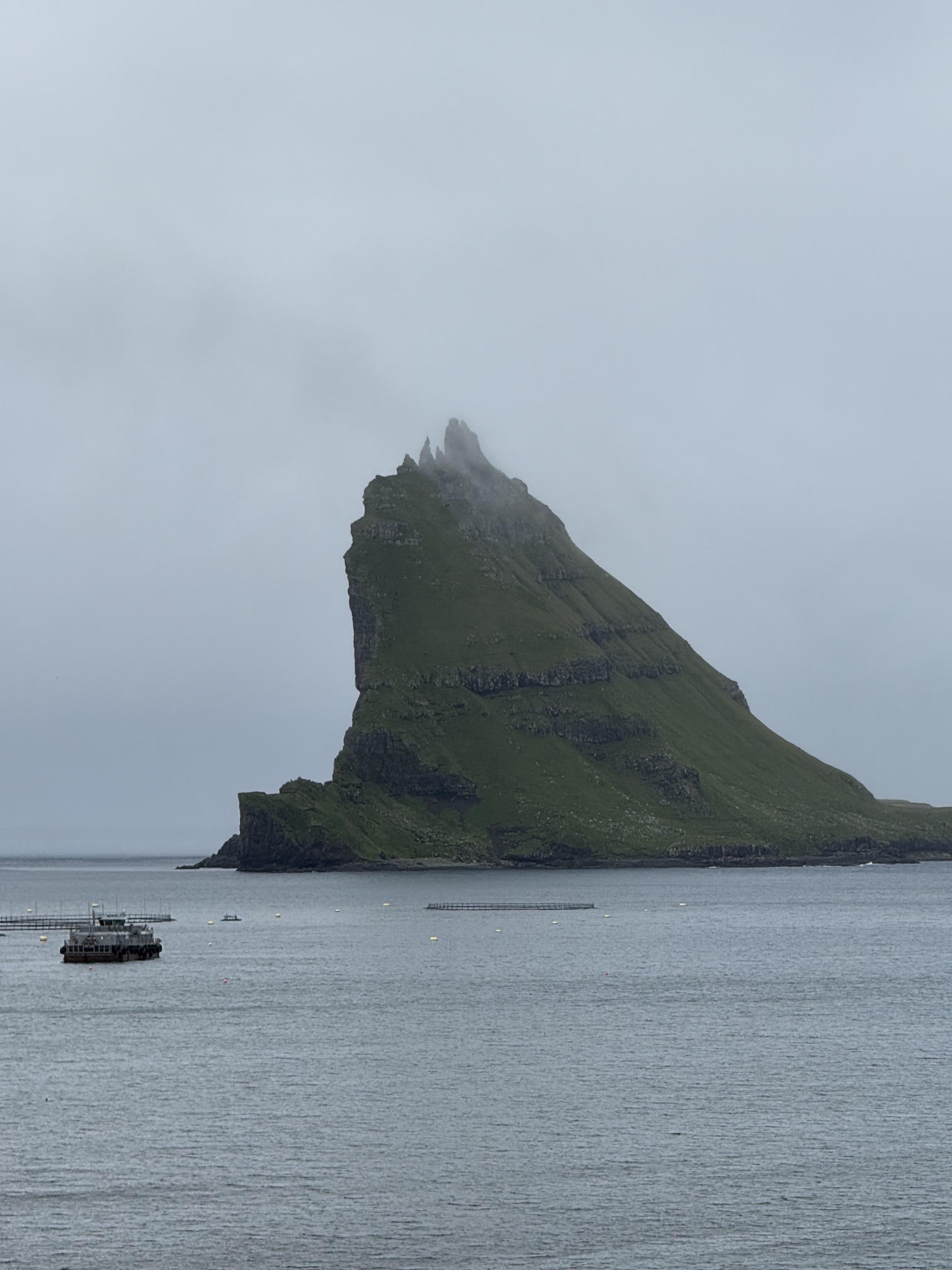
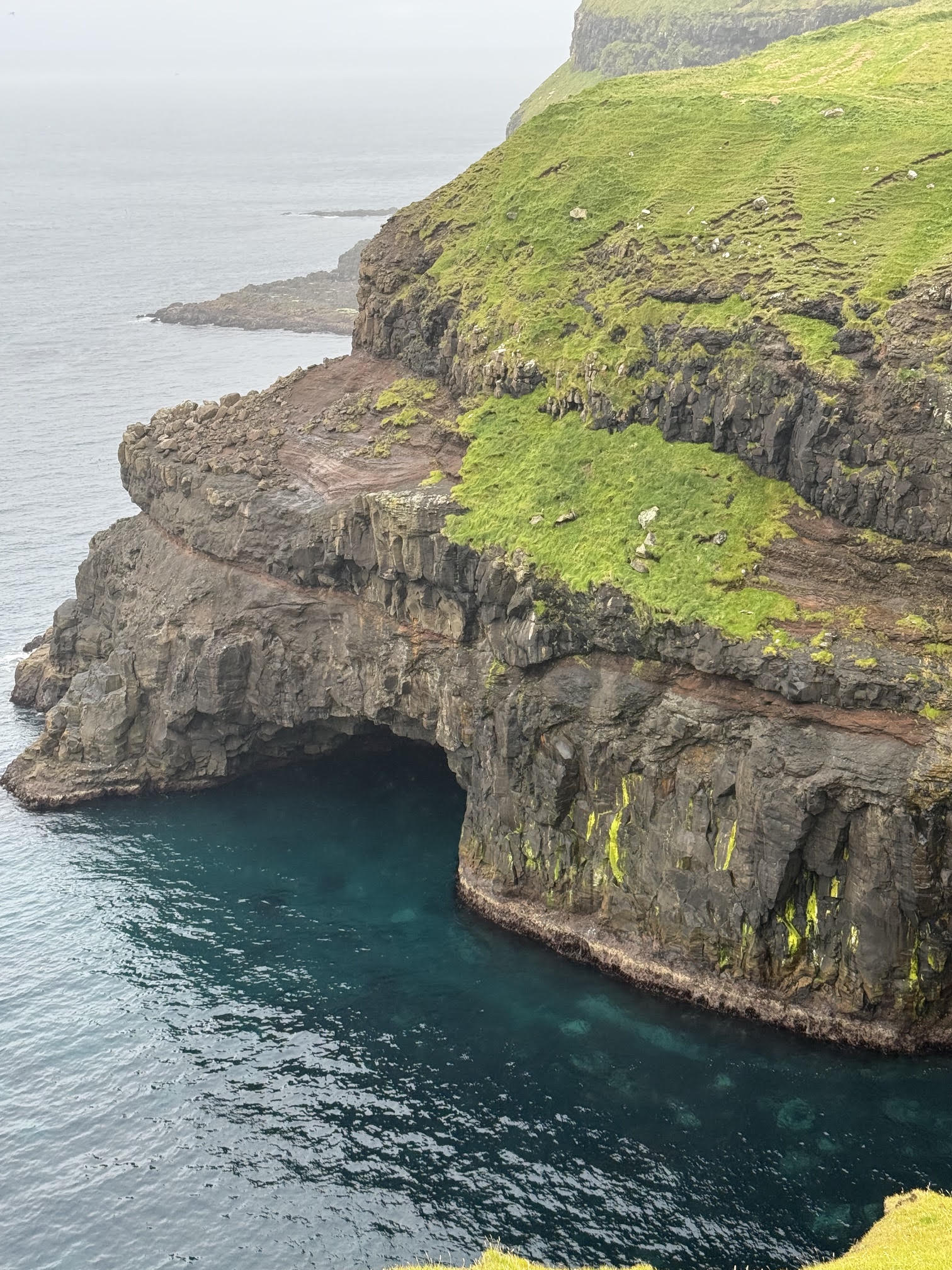
The Faroe Islands are an archipelago of 18 islands, with seven of them connected by undersea tunnels, including the world’s only underwater roundabout. Its population is only around 56,000 people, smaller than the city of Wilmington, Delaware. The Faroes are a fishing powerhouse, however, and a leader in aquaculture innovation. They also boast a dramatic and enchanting landscape, full of rugged hills, flowing waterfalls, and stunning ocean views.
The conference took place over four days from August 17-21, 2026. One of the highlights for me was the opening panel discussion featuring Bárður á Steig Nielsen, Minister of Fisheries and Deputy Prime Minister of the Faroe Islands, and Daði Már Kristófersson, Finance Minister of Iceland. Dr. Kristófersson is a fisheries economist and long-time IIFET member. The other highlight was the keynote address of Dr. K. Kuperan Viswanathan from the Universiti Utara Malaysia, entitled “Regulating the Fisheries—Lessons Learned and Pathways to Resilient Ocean Governance.” His explanation of first principles of fisheries regulation was a clear and hopeful pathway to good governance for sustainable ocean resources.
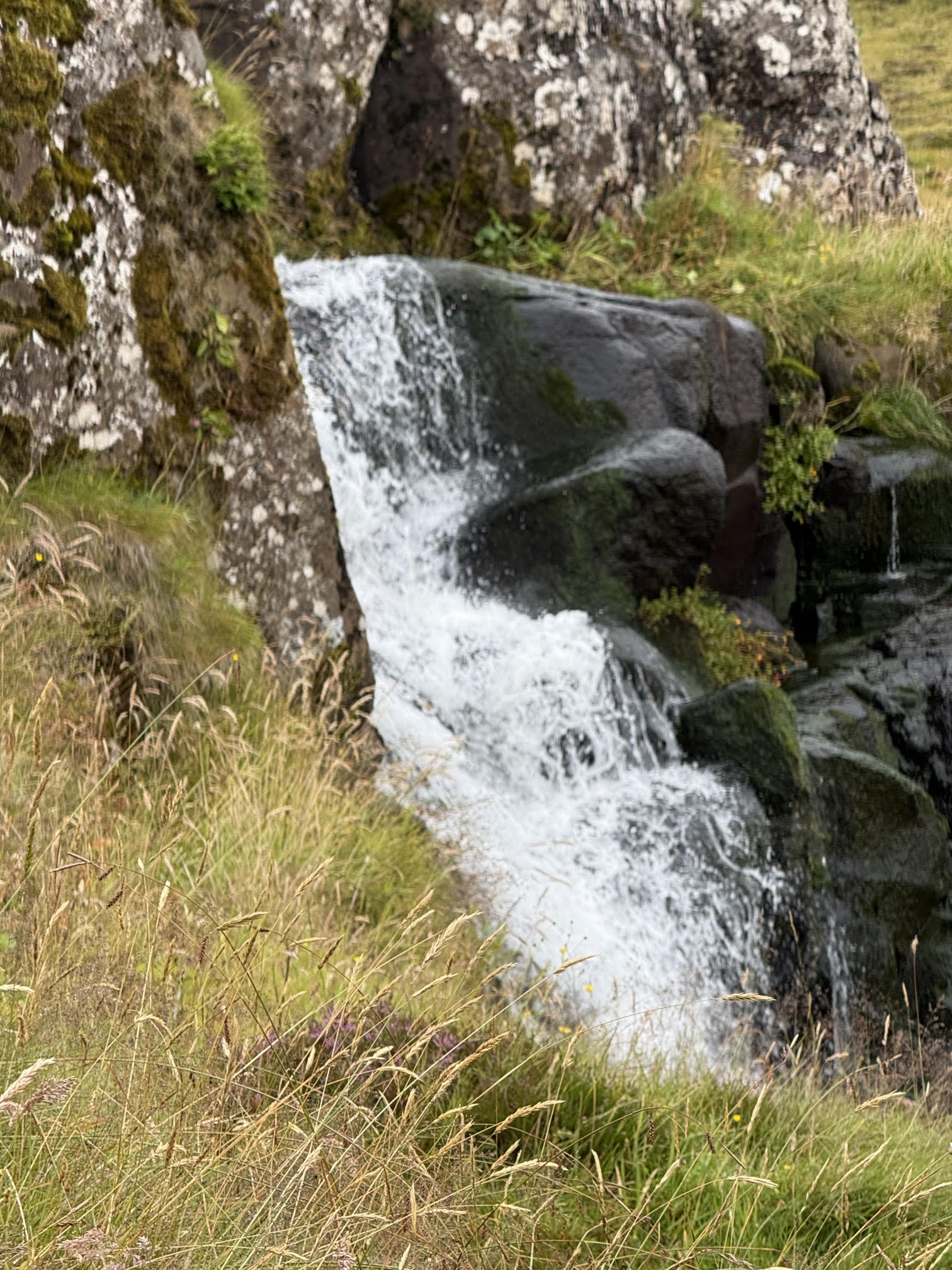
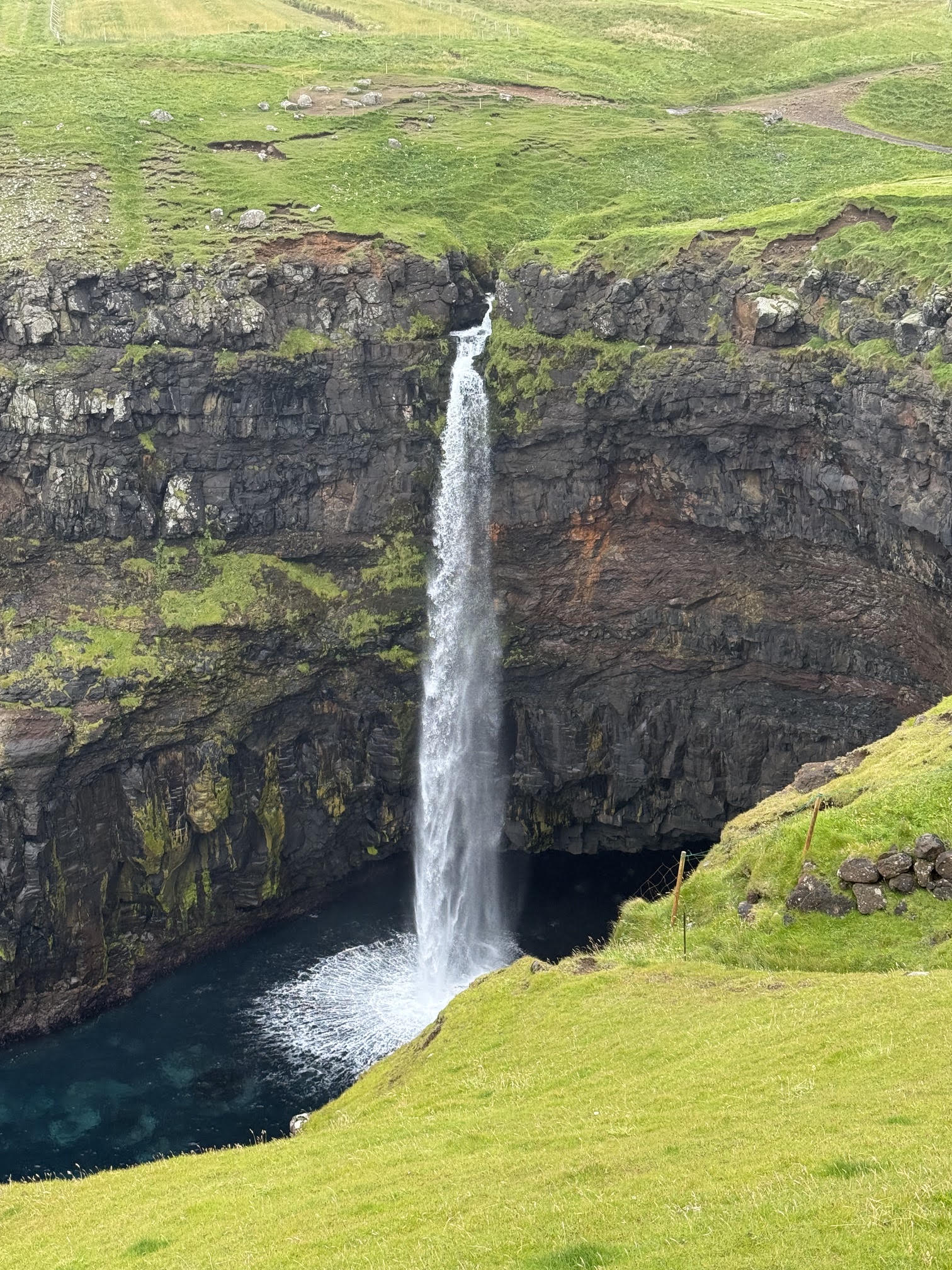
After the conference, I engaged in a bit of sightseeing, including a hike to Múlafossur Waterfall, shown below. Múlafossur is near the isolated village of Gásadalur, the last community in the Faroes to be connected by road to the rest of the island. Until a one-lane tunnel was completed in 2006, villagers had to hike over mountains more than 1,300 feet high.
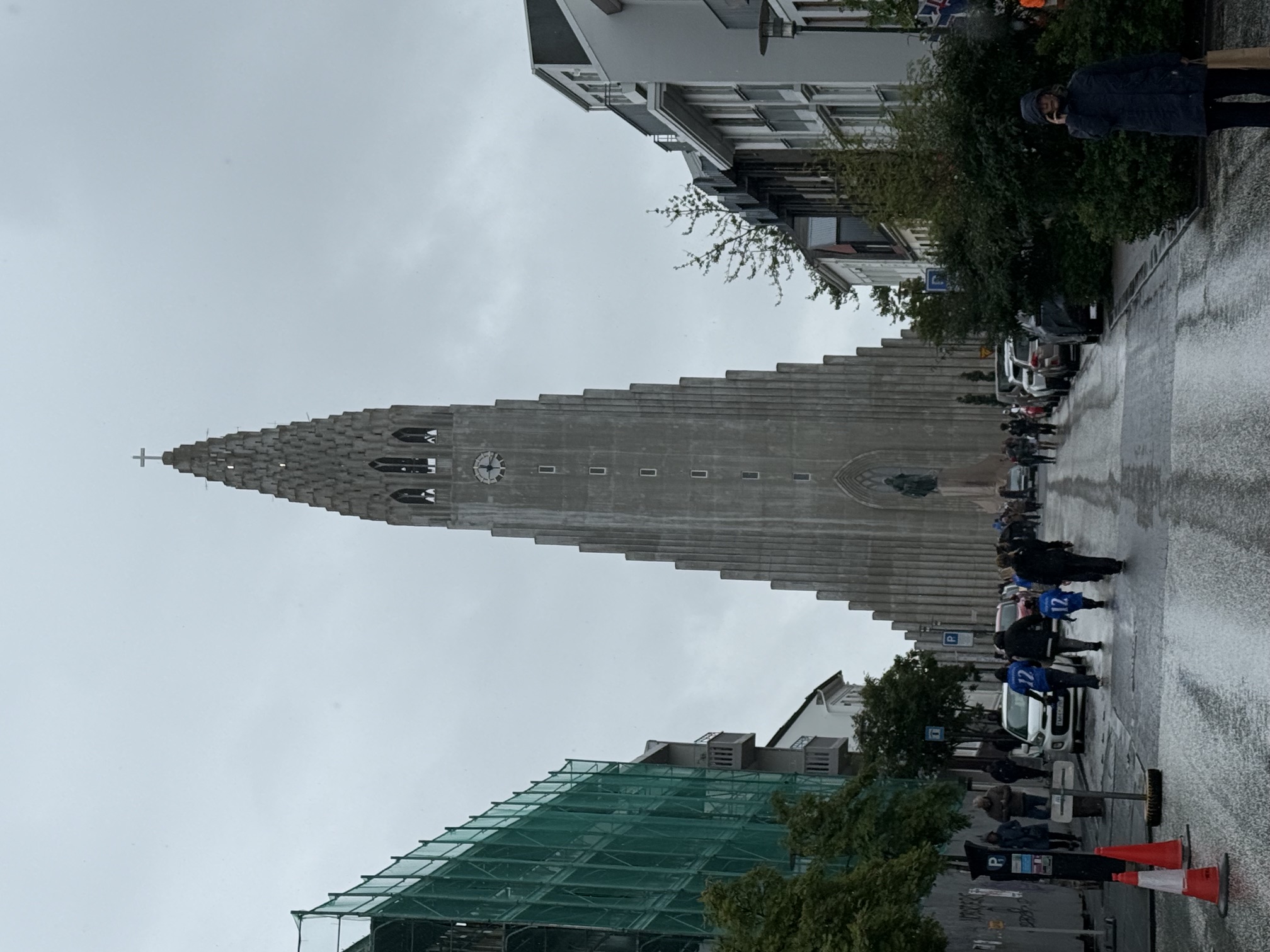
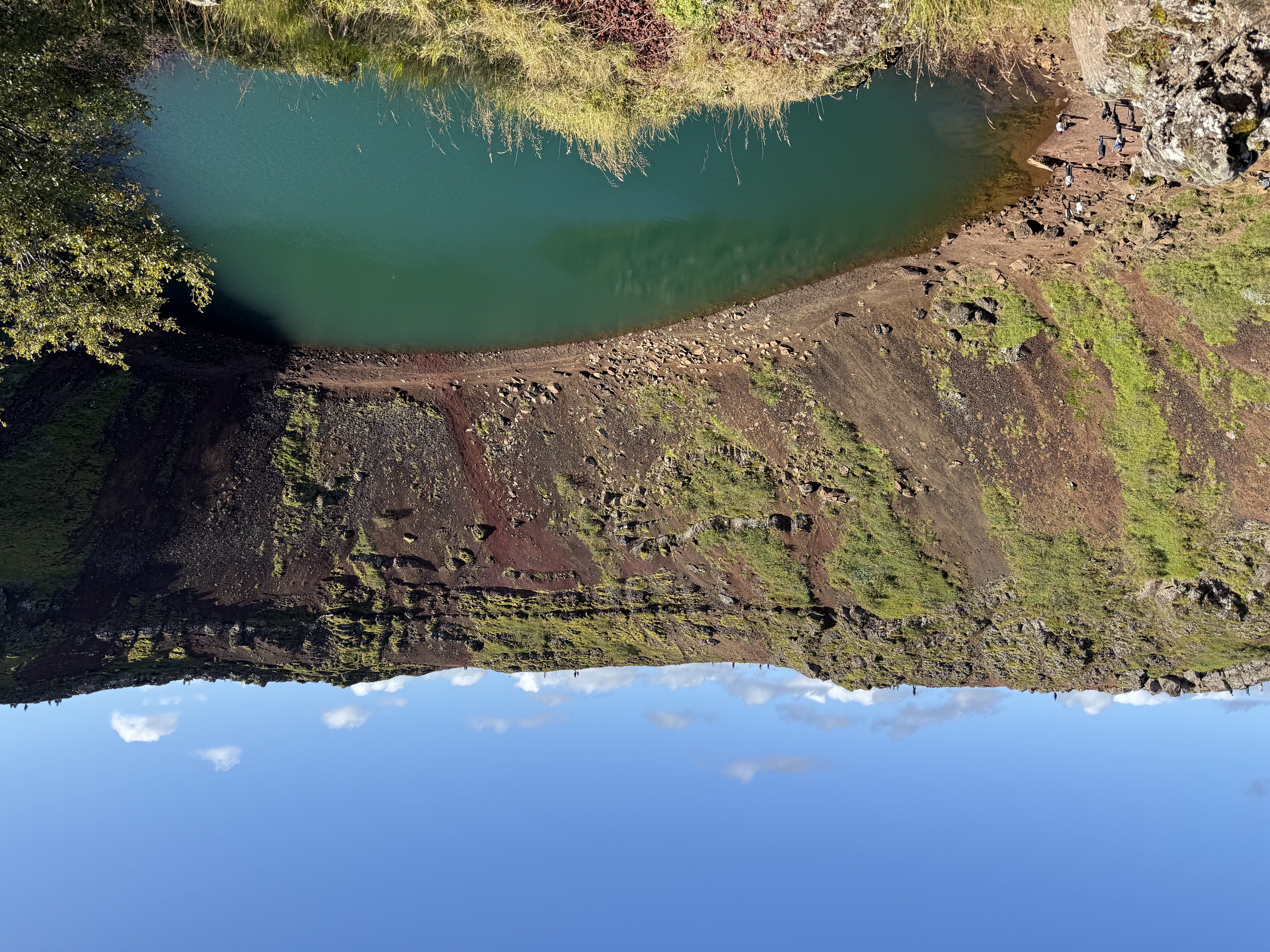
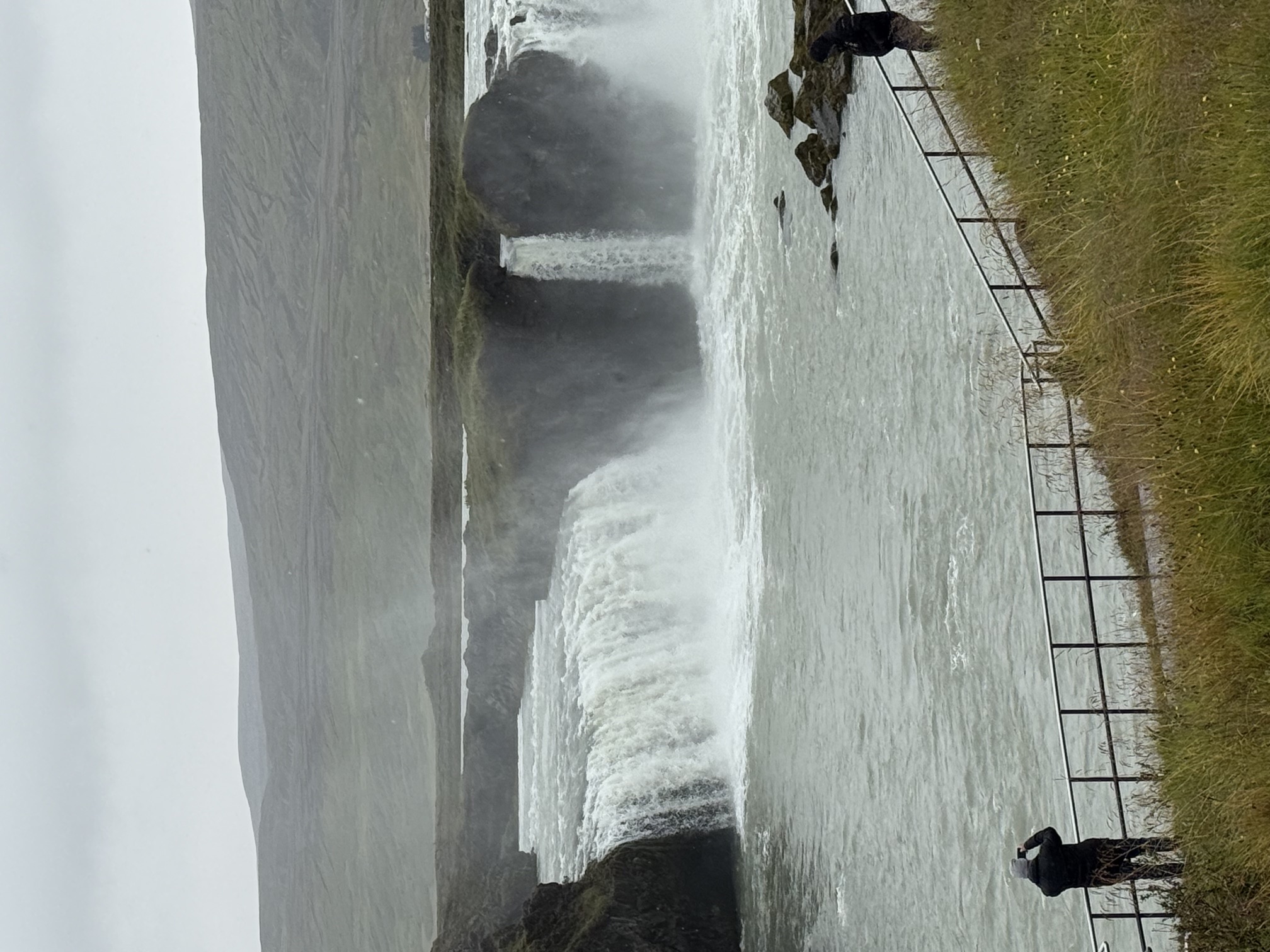
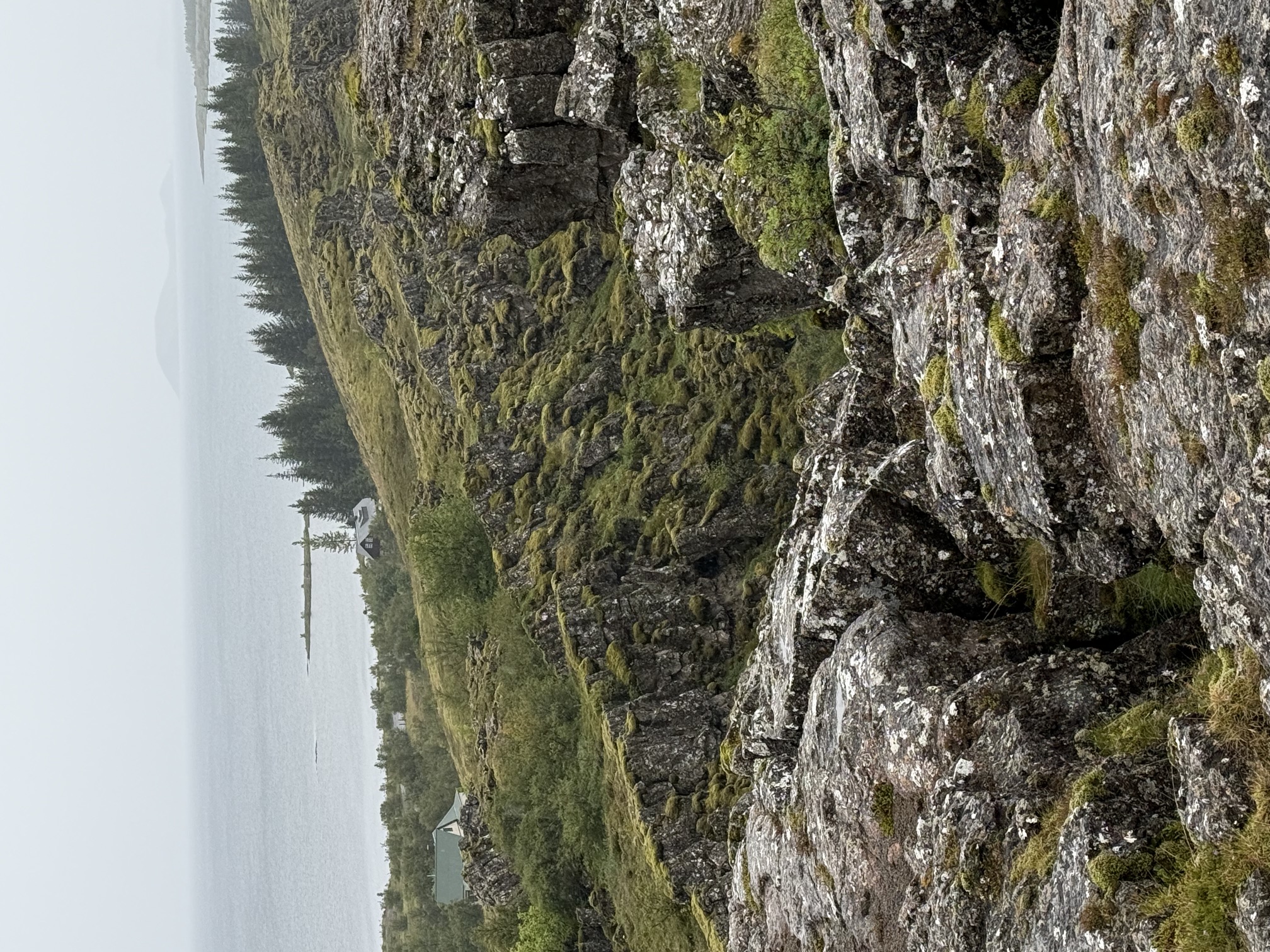
My wife Karen then joined me in Iceland for a week of more sightseeing (more photos below) before returning home. A tour of Iceland is a geology lesson, since the country sits on the Mid-Atlantic Ridge, where the North American and Eurasian tectonic plates are pulling apart. The country is full of volcanoes, lava fields, and geothermal pools filled with boiling, sulfur-smelling mud. Like the Faroes, Iceland fishes above its weight, with fish making up 40% of its exports, and fishing villages line its coast. It’s also been a leader in fisheries regulation, being the first country to create a 200 nm exclusive fishing zone, and one of the first to institute catch shares.
The trip was a reminder that fisheries are not merely an economic sector, but a vital connection among people, communities, and the ocean. In both the Faroe Islands and Iceland, fishing has shaped the culture, economy, and landscape, while also inspiring innovative approaches to managing marine resources. Seeing these places firsthand, and getting the opportunity to exchange ideas with fisheries scholars and practitioners from around the world, left me with renewed appreciation for the importance of thoughtful research and international collaboration in building resilient fisheries and coastal communities.